
Peptide Intelligence
Welcome to the complete knowledge hub for synthetic and analytical peptide science.
Introduction to Peptides: Understanding the Basics of These Powerful Molecules
Peptides are short chains of amino acids linked by peptide bonds. They play crucial roles in biological processes, serving as hormones, neurotransmitters, and signaling molecules. Click on any module below or use the sidebar menu to explore detailed scientific breakdowns.
How Peptides Are Made
Modern Synthesis Methods
Solubility of Peptides
Reconstitution & Dissolution
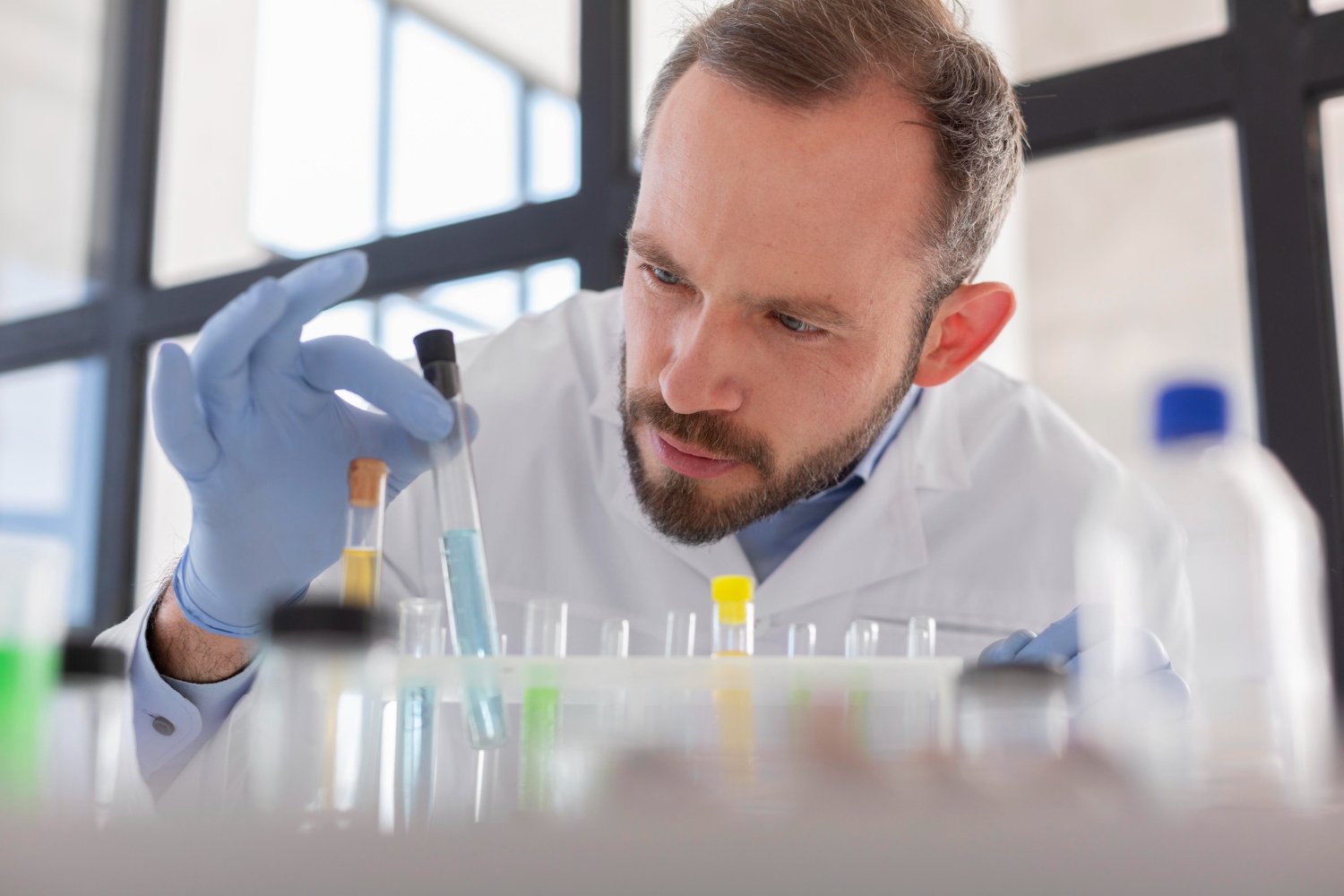
How Peptides Are Purified
HPLC & Isolation Techniques
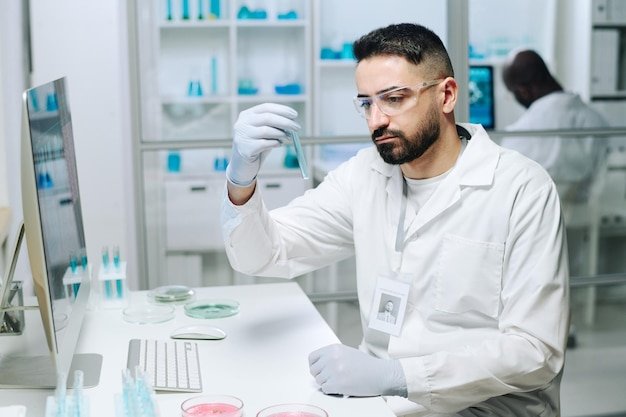
Achieving and Verifying Peptide Purity
Mass Spec & Quality Control
Understanding Peptide Bonds
Chemical & Covalent Structure
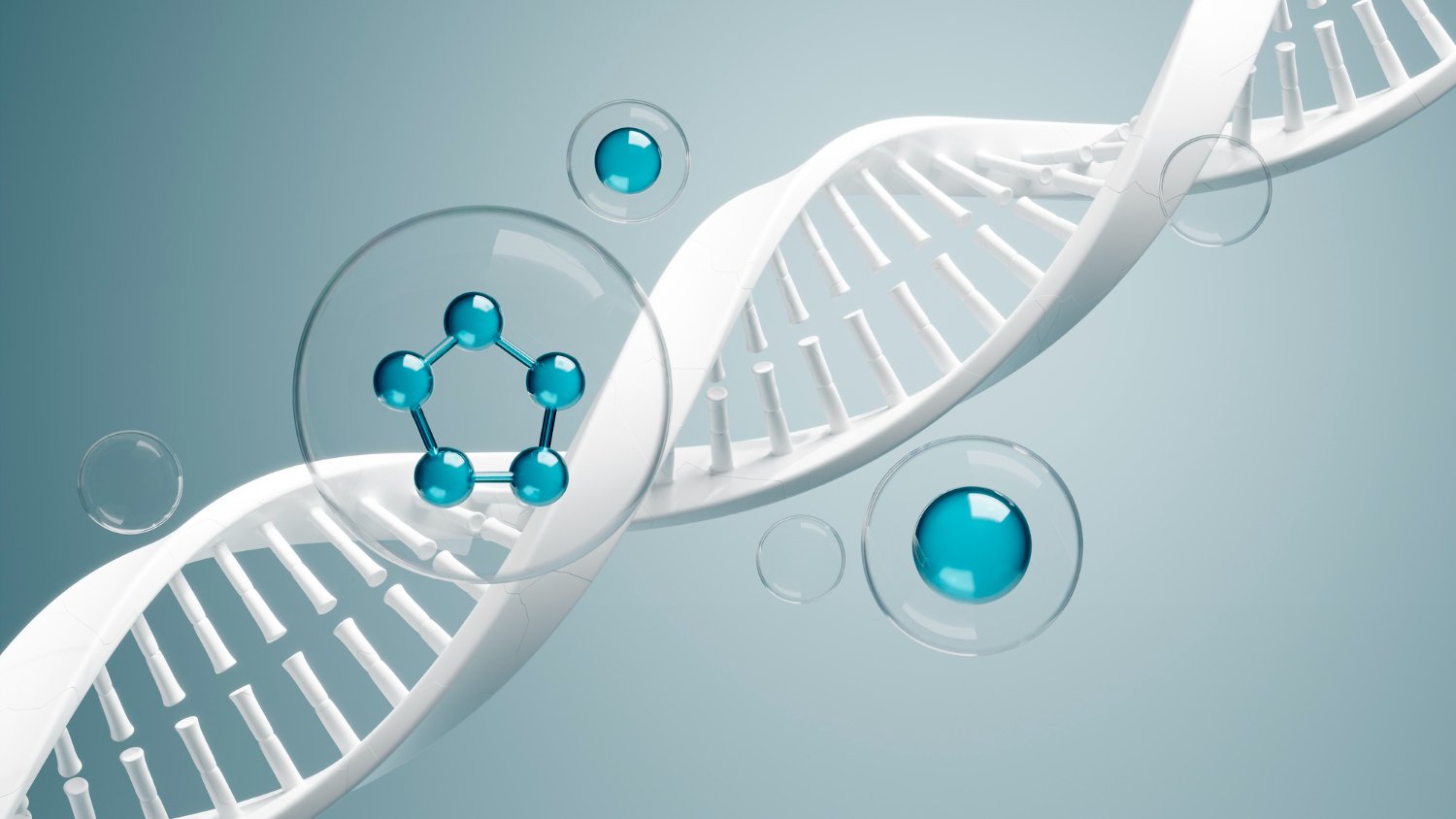
How to Properly Store Peptides
Temperature & Preservation
What Are Research Peptides?
Scientific Applications
Comparing Peptides and Proteins
Structural & Functional Differences
Introduction to Peptides: Understanding the Basics of These Powerful Molecules
By Precision Peptides | August 20th, 2025
Disclaimer: All articles and product details provided on this website are intended for educational and informational purposes only. The products listed here are for in-vitro research only. In-vitro studies are conducted outside of living organisms. These products are not intended as medicines or drugs and have not been approved by the FDA to prevent, treat, or cure any medical condition, ailment, or disease. The direct or indirect administration of these substances to humans or animals is unequivocally prohibited under applicable law.
What Are Peptides?
Peptides are molecules of two or more amino acids linked by peptide bonds—covalent links formed when the carboxyl group of one amino acid reacts with the amine group of another in a condensation reaction, releasing water. The resultant CO–NH bond is also called an amide bond. The term “peptide” comes from the Greek πέσσειν, meaning “to digest.” Peptides are fundamental in biochemistry, widely present in living organisms, and continually synthesized in labs to explore new therapeutic possibilities.
How Are Peptides Formed?
Peptides are produced both naturally—for example, ribosomal and nonribosomal peptides—and synthetically using methods like liquid-phase or solid-phase peptide synthesis (SPPS). SPPS is the standard technique, enabling precise, repetitive peptide assembly.
Historical milestones:
- 1901 – Emil Fischer & Ernest Fourneau synthesized the first artificial peptide.
- 1953 – Vincent du Vigneaud created oxytocin, the first polypeptide.
Peptide Terminology
- Dipeptide – two amino acids
- Tripeptide – three amino acids
- Oligopeptide – fewer than 10 amino acids
- Polypeptide – typically 10 or more amino acids
- Proteins – usually over 40–50 amino acids, though distinctions can blur (e.g., amyloid beta is long but a peptide; insulin is relatively small but considered a protein).
Types of Peptides
- Ribosomal peptides – synthesized via mRNA translation; often act as hormones or signaling molecules. Examples include tachykinins and opioid peptides.
- Nonribosomal peptides – assembled by specialized enzymes, often forming cyclic structures (e.g., glutathione).
- Milk peptides – derived from milk proteins via digestion or fermentation.
- Peptones – peptides from animal proteins, frequently used as lab nutrients for microbial cultures.
- Peptide fragments – shorter sequences occurring through natural breakdown or lab-generated processes.
Key Concepts in Peptide Science
- Amino Acids: The basic units forming peptides, each with both amine and carboxyl functional groups.
- Cyclic Peptides: Peptides structured in ring form, such as melanotan-2 or Bremelanotide (PT-141).
- Peptide Sequence: The specific order of amino acids in the chain.
- Peptide Bond: The covalent linkage formed via condensation between amino acids.
- Peptide Mapping: A technique to break down and analyze peptide or protein sequences.
- Peptide Mimetics: Molecules designed to mimic the biological functions of natural peptides.
- Peptide Fingerprint: Unique chromatographic fragmentation patterns used to identify peptides.
- Peptide Library: A curated collection of peptides, often synthesized via SPPS, used in biochemical research and drug discovery.
How Peptides Are Made
By Precision Peptides | An Overview of Modern Synthesis Methods
Disclaimer: Intended solely for educational and in-vitro research applications. Not for human or veterinary administration.
Solid-Phase Peptide Synthesis (SPPS)
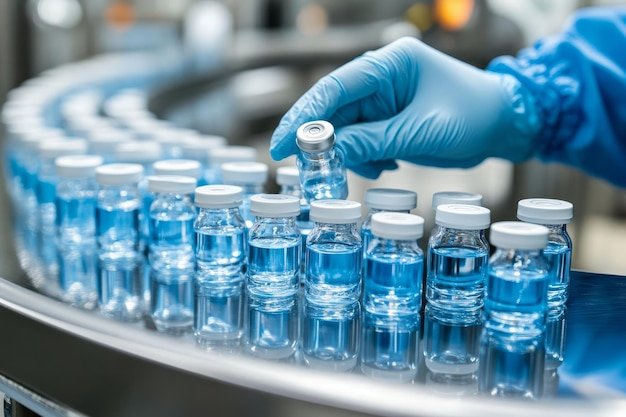
Modern peptide synthesis relies heavily on Solid-Phase Peptide Synthesis (SPPS), a revolutionary technique pioneered by Robert Bruce Merrifield. In SPPS, the growing peptide chain is anchored to an insoluble polymer resin bead, allowing excess reagents and soluble side-products to be washed away easily between reaction steps without extensive isolation procedures.
The Step-by-Step Synthesis Cycle
- Resin Functionalization: The C-terminal amino acid is securely attached to the solid resin support.
- Deprotection: The protecting group (such as Fmoc or Boc) is removed from the terminal amine group using mild organic bases or acids.
- Coupling: The next incoming protected amino acid is activated using coupling agents (e.g., DIC, HATU) and attached to the free amine group.
- Cleavage & Deprotection: Once the complete sequence is assembled, the final peptide is cleaved from the resin support and all side-chain protecting groups are removed using trifluoroacetic acid (TFA).
Solubility of Peptides
By Precision Peptides | Best Practices for Dissolving and Preparing Peptides for Research
Disclaimer: For laboratory research and in-vitro experimentation only. Strict compliance with safety guidelines is required.
Understanding Peptide Dissolution
Successful peptide reconstitution depends heavily on the amino acid composition and overall hydrophobicity of the sequence. Before introducing any solvent, researchers must analyze the proportion of charged, polar, and non-polar residues in the peptide chain to determine the optimal reconstitution medium.
General Rules for Solubility Testing
- Acidic Peptides: Peptides containing high ratios of acidic residues (glutamic acid, aspartic acid) dissolve effectively in basic buffers or distilled water with minor pH adjustments.
- Basic Peptides: Rich in basic residues (lysine, arginine, histidine), these compounds generally dissolve well in dilute acetic acid or sterile bacteriostatic water.
- Hydrophobic Peptides: Sequences dominated by non-polar residues (leucine, valine, alanine, phenylalanine) often require organic solvents such as DMSO, DMF, or acetonitrile before aqueous buffer dilution.
How Peptides Are Purified
By Precision Peptides | Techniques and Importance in Research Applications
Disclaimer: Provided for educational reference and in-vitro scientific study only.
The Role of Reverse-Phase HPLC
Following chemical synthesis, crude peptide mixtures contain truncated sequences, deletion analogs, and residual protecting groups. High-Performance Liquid Chromatography (HPLC), specifically Reverse-Phase HPLC (RP-HPLC), is utilized to isolate the exact target peptide based on differential hydrophobic interactions between the sample components and the stationary column matrix.
Purification Workflow Steps
- Crude Analysis: Initial chromatographic runs evaluate impurity profiles.
- Gradient Elution: Using water-acetonitrile gradients containing trifluoroacetic acid (TFA) modifiers to fractionate target peaks.
- Lyophilization: Isolated pure fractions are freeze-dried into stable, powder-form cakes ready for analytical confirmation.
Achieving and Verifying Peptide Purity
By Precision Peptides | A Comprehensive Overview of Quality Control
Disclaimer: Intended exclusively for laboratory in-vitro research use.
Analytical Verification Standards
Ensuring peptide purity requires dual analytical validation: Mass Spectrometry (MS) to verify molecular weight and amino acid sequence integrity, and Analytical HPLC to quantify purity percentages (commonly exceeding 98% for research-grade materials).
Why Verification Matters in Research
Inaccurate peptide concentrations or contaminating byproducts can skew experimental receptor binding assays and cellular signaling studies. Certified analysis reports provide researchers with verifiable confidence in their compound's structural authenticity.
Understanding Peptide Bonds
By Precision Peptides | The Chemistry That Connects Amino Acids
Disclaimer: For educational and laboratory in-vitro investigation only.
Covalent Amide Linkages
A peptide bond is a covalent chemical bond formed between two amino acid molecules when the carboxyl group of one molecule reacts with the amino group of the other. This condensation reaction releases a molecule of water (H2O) and establishes a robust rigid planar structure crucial for protein and peptide architecture.
How to Properly Store Peptides
By Precision Peptides | Guidelines for Stability and Longevity
Disclaimer: Educational material for in-vitro research use only.
Lyophilized vs. Reconstituted Storage
Proper storage conditions dictate the shelf-life and experimental viability of synthetic peptides. Lyophilized (freeze-dried) powders are exceptionally stable and retain structural integrity when stored at −20°C for short-to-medium term or −80°C for long-term storage in a desiccated, dark, and moisture-free environment.
Once reconstituted in bacteriostatic water or an appropriate aqueous solution, peptides become significantly more vulnerable to enzymatic degradation, microbial contamination, and deamidation. Therefore, reconstituted solutions demand strict aseptic handling, immediate aliquoting into single-use portions, and continuous deep-freezer storage to prevent experimental degradation.
Key Storage Recommendations
- Avoid Freeze-Thaw Cycles: Prevent repeated freeze-thaw cycles by preparing precise, single-use experimental aliquots beforehand, as temperature fluctuations rapidly compromise peptide stability.
- Light and Humidity Protection: Protect glass vials from direct ultraviolet (UV) exposure, intense light sources, and ambient atmospheric humidity by using opaque storage containers and desiccants.
- Temperature Equilibration: Always allow refrigerated or deep-frozen vials to fully equilibrate to ambient room temperature inside a desiccator before opening, which effectively prevents destructive moisture condensation on the lyophilized cake or vial surface.
- Container Integrity: Utilize high-grade borosilicate glass or certified inert polypropylene vials to store sensitive compounds, avoiding substandard materials that may leach or interact with the peptide sequences.
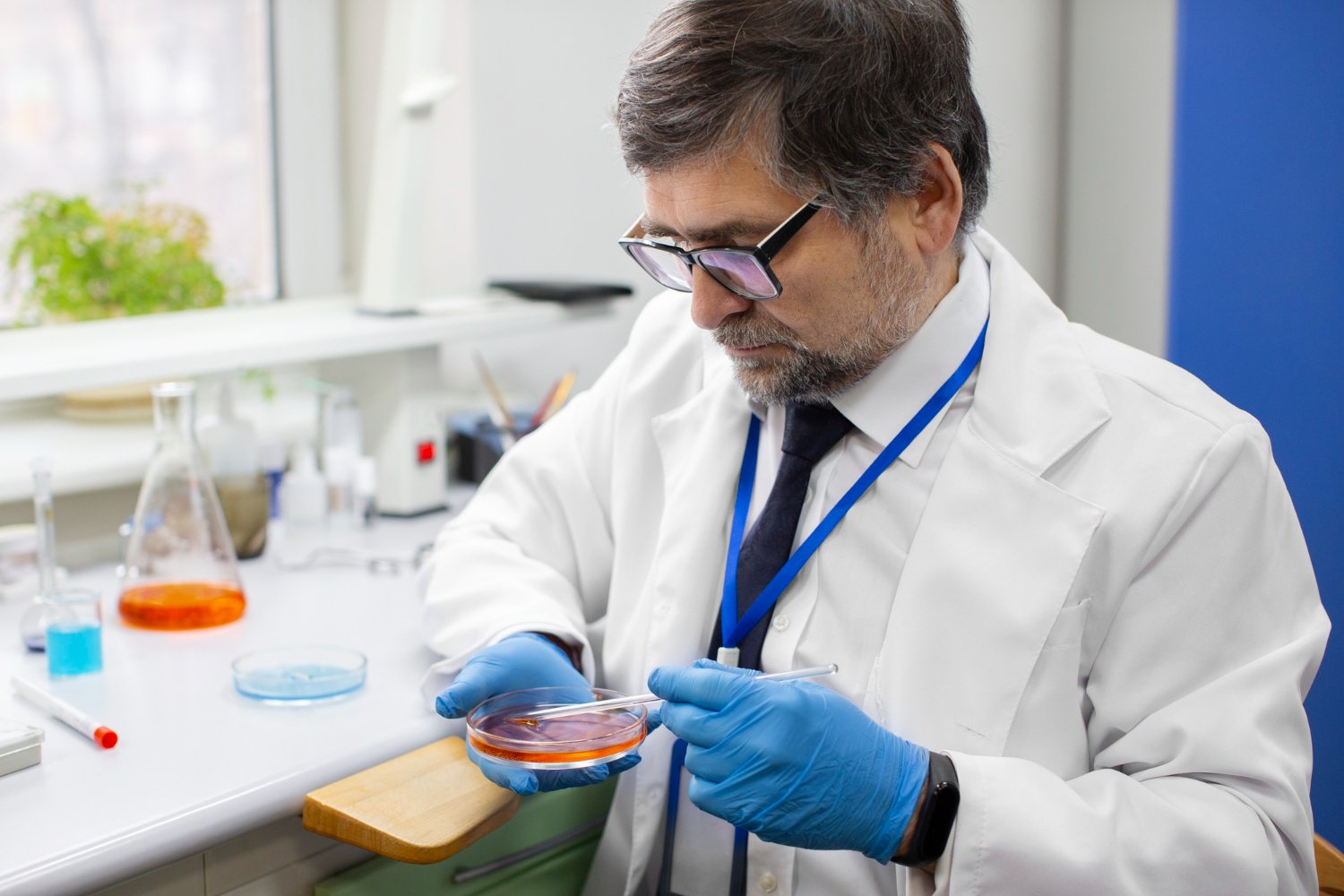
What Are Research Peptides?
By Precision Peptides | Their Role in Scientific Discovery and Future Medicines
Disclaimer: Strictly for laboratory in-vitro research; not approved for therapeutic use.
Applications in Modern Laboratories
Research peptides serve as vital tools across academic and pharmaceutical laboratories. They enable investigators to map cellular receptors, explore enzyme kinetics, model disease pathways, and test potential drug candidate interactions under tightly controlled in-vitro environments.
Comparing Peptides and Proteins
By Precision Peptides | Structure, Size, and Biological Function
Disclaimer: Provided for general scientific education and in-vitro research reference.
Size and Structural Differences
While both peptides and proteins consist of amino acid chains linked by peptide bonds, the primary dividing factor is molecular size. Molecules containing fewer than 50 amino acids are classified as peptides, whereas larger, complex folded chains exceeding 50 residues are designated as proteins. This structural difference impacts tertiary conformation stability and receptor binding dynamics.