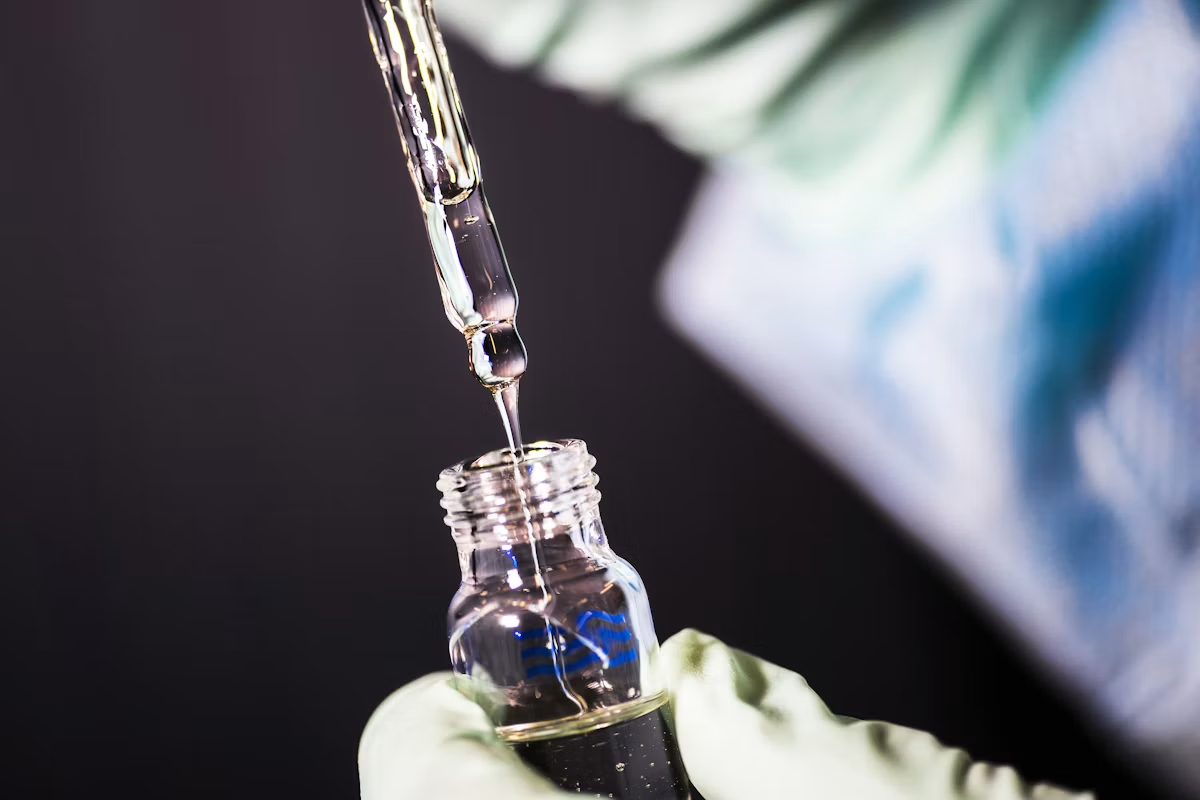
BPC-157 (Body Protection Compound-157) is a synthetic pentadecapeptide composed of 15 amino acids. Originally referenced from protective peptide sequences found in gastric fluid studies, it has been extensively investigated in analytical research settings for its remarkable structural stability, peptide chain resistance, and cellular signaling properties.
Key Mechanisms in Analytical Research
Controlled in-vitro assays indicate that BPC-157 interacts with specific growth factor receptors, modulates nitric oxide synthesis pathways, and supports angiogenesis markers in laboratory models. Researchers focus on its molecular influence on cellular migration, fibroblast proliferation, and extracellular matrix integrity without involving living subject administration.
Handling and Laboratory Storage Protocols
Lyophilized BPC-157 should be stored at -20°C for long-term stability and reconstituted using bacteriostatic water or analytical solvents prior to experimental applications. Avoid vigorous shaking and maintain proper temperature controls during in-vitro incubation.
Key Areas of Laboratory Investigation
-
Angiogenesis Signaling: Evaluating endothelial cell migration and capillary network formation in controlled assays.
-
Cytoprotective Assays: Assessing cellular resilience and enzymatic stability under oxidative stress models.
-
Receptor Interaction Mapping: Cataloging binding affinities with growth factor receptors during laboratory testing.
Experimental Protocols and Support
For inquiries regarding analytical research protocols, purity verification standards, storage guidelines, or technical support, reach out to our team at support@precisionpeptide.shop.
Disclaimer: All articles and research summaries provided on this platform are strictly intended for educational reference and in-vitro laboratory research applications only. These compounds are not medicines or therapeutic drugs, and any direct or indirect administration to humans or animals is strictly prohibited.