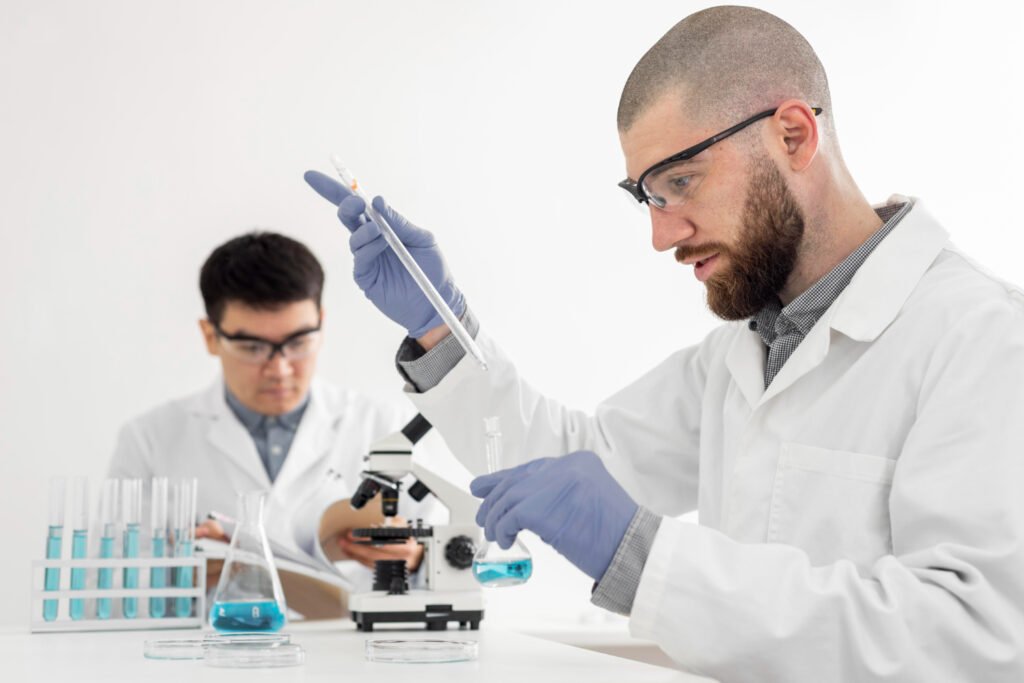
Research peptides have become a cornerstone of modern biochemical and in-vitro studies. Understanding their classifications, structural behaviors, and molecular mechanisms is essential for accurate scientific exploration and laboratory assay design. This comprehensive guide outlines the primary categories of research peptides and their observed analytical profiles. Major Classifications of Research Peptides Metabolic Peptides: Studied for their […]
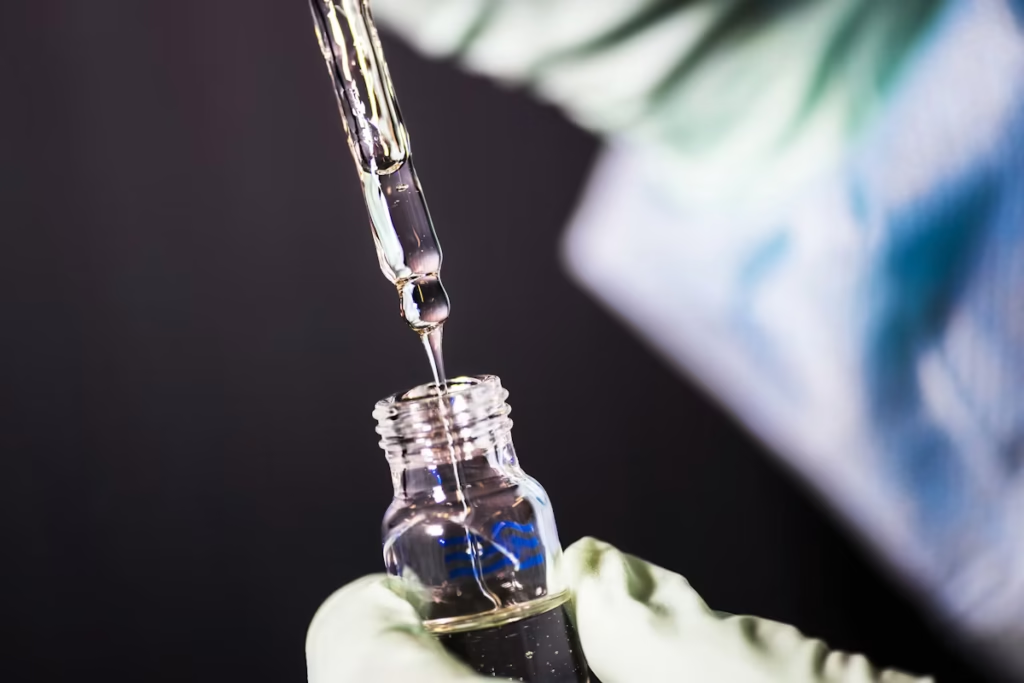
BPC-157 (Body Protection Compound-157) is a synthetic pentadecapeptide composed of 15 amino acids. Originally referenced from protective peptide sequences found in gastric fluid studies, it has been extensively investigated in analytical research settings for its remarkable structural stability, peptide chain resistance, and cellular signaling properties. Key Mechanisms in Analytical Research Controlled in-vitro assays indicate that […]
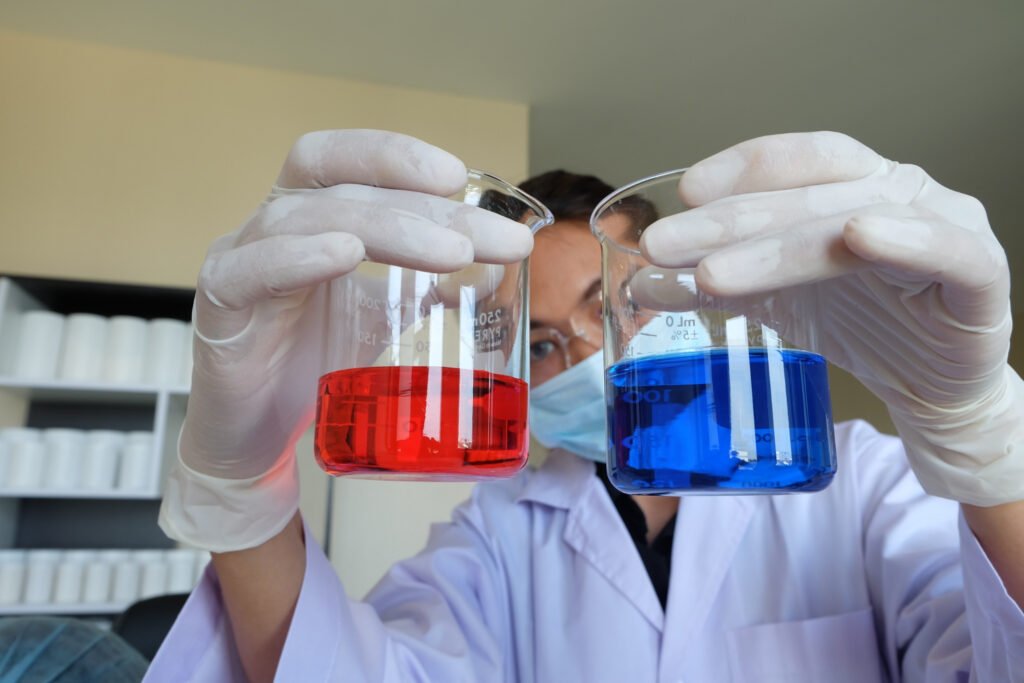
Both Semax and Selank are synthetic peptide derivatives originally developed for structural biochemical and analytical cellular research. While sharing structural similarities derived from adrenocorticotropic hormone (ACTH) sequences, their target biochemical pathways and receptor binding properties differ significantly. Semax Analytical Profile Semax is primarily studied in controlled in-vitro assays for its receptor binding affinity, molecular expression […]

Peptides for Muscle Support: Mechanisms and In-Vitro Research In the domain of analytical biochemistry and synthetic peptide science, researchers frequently investigate specific peptide sequences for their potential cellular signaling roles, protein synthesis pathways, and metabolic interactions. Understanding how specialized amino acid chains behave in controlled laboratory environments provides foundational insight into cellular adaptation and tissue […]

Synthetic and analytical peptides play a vital role in modern biomedical and in-vitro research. This blog explores how high-purity peptides are being utilized in advanced laboratories to address complex scientific inquiries, serving as a comprehensive handbook for researchers. The Importance of Purity in Laboratory Research Ensuring high purity and structural verification via HPLC analysis is […]

Research peptides are highly sensitive biochemical compounds. Improper handling, exposure to light, or incorrect storage temperatures can rapidly degrade their structural integrity and efficacy. This guide provides essential protocols for maintaining sample purity in a professional laboratory setting. Lyophilized Storage Protocols Unconstituted (lyophilized) peptides should be stored strictly at -20°C for long-term stability. For short-term […]
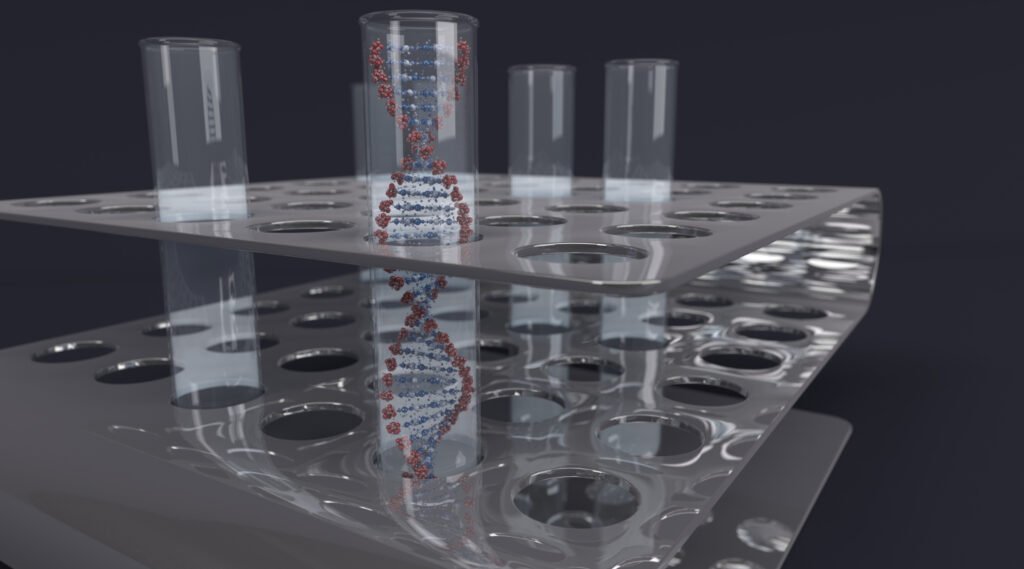
The reliability and reproducibility of analytical research outcomes depend heavily on the purity and quality of the materials used. This blog discusses why a purity level of 99% or higher is essential for accurate assay data and how low-grade impurities can negatively impact experimental results. Why High-Grade Purity Matters in Laboratories In advanced biochemical testing […]